What I’d Actually Buy If I Built These Beds Again
I was running my hand along the top edge of the oldest raised bed a few weeks ago, the one that’s just past its sixth year now, and felt the board dip and rise under my palm like a shallow wave. It’s warped enough now that you can feel it before you can really see it. That little ridge under my hand is basically the whole story of what wood we chose back when we built that first bed, and what I’d choose if I were standing in a lumber aisle again today.
What We Actually Used
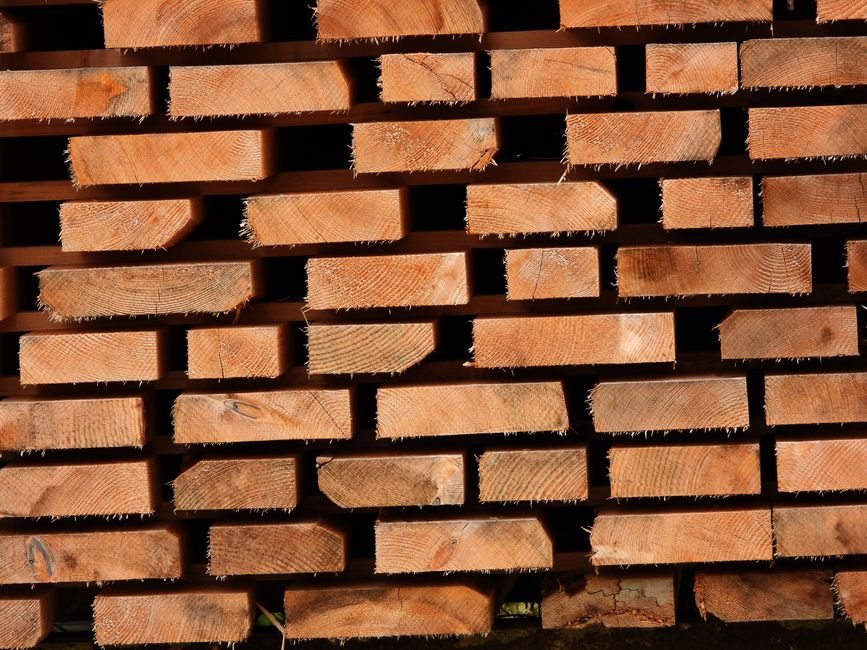
When we built the first bed six years ago, I didn’t put much thought into the wood at all. I grabbed whatever construction grade boards were stacked up and reasonably priced at the time, the kind of plain softwood that gets used for framing more than furniture. It wasn’t treated for rot resistance in any special way, it was just what was there and what fit the budget for a project I wasn’t fully sure I’d stick with. Looking back, that casualness set the tone for everything that came after, including how the bed has aged.
The Warping
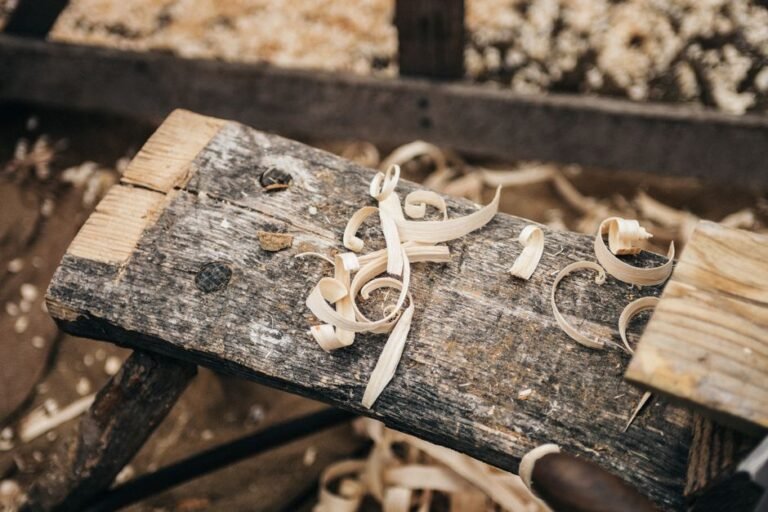
Within the first couple of years I started noticing the top boards weren’t sitting flat anymore. They’d cup slightly, curving up at the edges, especially on the side that gets more direct sun through the afternoon. It’s not dramatic, nothing about it looks broken, but it’s there every time I lean on the edge to reach into the middle of the bed. The corners have held up better than the long flat spans, which makes sense when I think about it, there’s more wood mass at the joints to resist bending.
Where the Rot Started
The rot came later and started exactly where I’d expect, at the bottom edge where the board sits closest to constantly damp soil. By year four I could press a screwdriver into the lowest few inches of one corner post and feel it give slightly, softer than the wood above it. It hasn’t failed structurally, the bed still holds together fine, but I know that corner is on borrowed time in a way the newer beds aren’t yet.
The Cost Regret
Here’s the part that actually bothers me more than the warping. When I priced out cedar at the time, it cost noticeably more per board than what we ended up buying, and six years ago that price difference felt like a real reason to go cheaper. But when I do the math now, knowing I’ll likely need to replace at least part of that first bed within the next couple of years, the money I saved upfront basically gets erased by having to buy replacement lumber twice instead of once. It’s the kind of decision that looks smart in the moment and looks short sighted in hindsight, a pattern I’m trying to get better at catching before I make it again.
What I’ve Learned About Cedar Since
I haven’t built with cedar myself yet, so I want to be honest that this is secondhand impression more than firsthand proof, but everything I’ve seen and heard from other people who garden points the same direction: it resists rot better on its own, without needing any extra treatment, because of something in the wood itself rather than a coating that eventually wears off. The tradeoff is the higher price and the fact that it’s not always sitting on the shelf the way the cheaper softwood is, sometimes you have to specifically ask for it or wait.
Comparing the Beds Side by Side
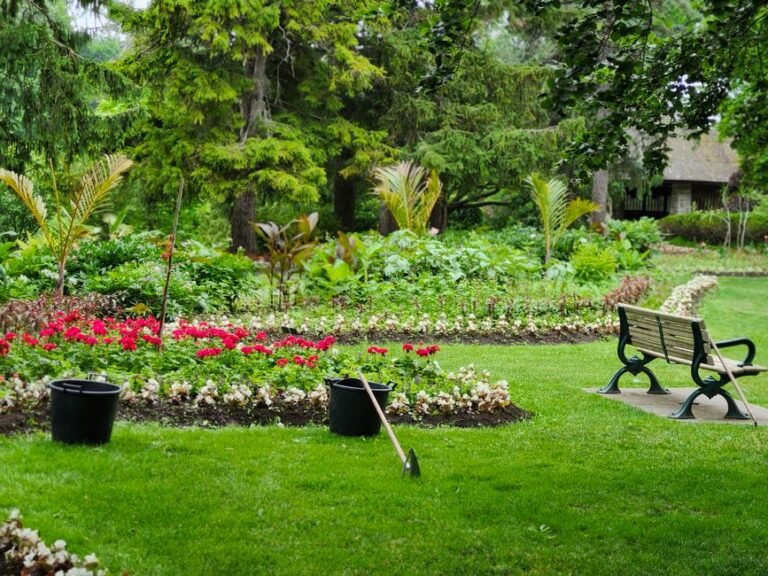
What’s interesting to me now is standing in the yard and looking at all four beds in a row, because even though three of them are the same wood and roughly the same age, they haven’t aged identically. The one that gets the most afternoon sun is warping worse than the one tucked closer to the fence in partial shade, which tells me the wood itself is only part of the story, placement matters too. Cedar would probably narrow that gap, but I doubt it would erase it completely, and that’s made me a little more realistic about what buying better lumber will and won’t fix.
It’s also made me pay more attention to small things I ignored the first time around, like making sure water doesn’t pool against the base of a post, or leaving a little more gap between the bed and the fence for air to move. Those are free changes, they don’t cost anything beyond a bit of thought, and I wish I’d been paying that kind of attention six years ago instead of only starting to notice now that I can feel the warp under my palm.
What I’d Choose Now
If I were building bed number one again today, knowing what I know after watching it warp and start to soften at the corners, I’d pay the extra for cedar without much hesitation. Not because the cheaper wood was a disaster, it wasn’t, the bed has done its job for six years and counting. But because the math works out better over the long run, and because I’m tired of running my hand along that warped edge and feeling a little annoyed at myself for the choice I made in a hurry one weekend six years ago. The fourth bed, the newest one, is still the same softwood as the rest, mostly because I already had the lumber on hand from a bigger order. That one I’ll probably watch more closely, and when it’s time to replace boards, cedar’s where the money is going.