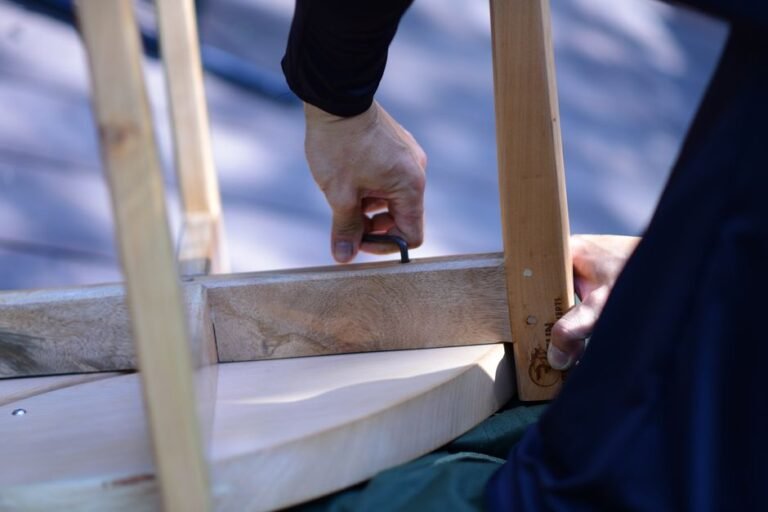
Why My Fourth Raised Bed Ended Up a Different Height
On a cold Saturday morning in late February, I was standing in the yard with a tape measure, and I noticed something that had been bothering me for weeks without me quite naming it out loud. The fourth raised bed, the one Theo and I put together last fall, comes up about four inches higher than the other three. I hadn’t planned that. I hadn’t even really decided it. It just happened over the course of one weekend of building, and once I actually measured it and saw the number, I felt a little embarrassed that I hadn’t caught it sooner.
Where the Extra Height Came From
The short answer is leftover lumber. When we built the first three beds over the past several years, I bought boards specifically for the job, cut to a height I had settled on after the very first attempt. But by the time we got around to the fourth bed, I had a stack of thicker boards sitting in the garage left over from a fence repair, and I decided to use those instead of buying new lumber. At the time it felt like a smart, frugal choice, the kind of thing that makes you feel a little proud of yourself for not wasting material. What I didn’t think through carefully enough was that those boards were a different width than what I had used before, and stacking two courses of them instead of buying to match brought the whole bed up higher than I had intended.
I Never Measured Against the Others
Here is the part where I have to admit I got it wrong. I built that fourth bed on its own, in its own corner of the yard, without ever once walking over to the other three beds and holding a board up against them to compare heights. I was working from memory of what felt like a reasonable height, not from an actual measurement taken on site. If I had taken even thirty seconds to check, I would have caught the mismatch before a single screw went into the wood. Instead I found out in February, months later, standing there with a tape measure and a bit of a sinking feeling in my stomach.
What the Extra Height Actually Changed
Once I accepted that the bed was simply taller than the rest, I started noticing what that difference actually meant in daily practice. The taller bed holds noticeably more soil, which meant I needed several extra bags of soil and compost to fill it that I hadn’t planned or budgeted for. It also changed how I physically work in it. I tend to move along the row of beds left to right most mornings with my coffee still in hand, and my body has to adjust every single time I step from a knee-high bed to one that sits closer to my hip. It isn’t a huge deal on any one morning, but it is a small, repeated friction that I now notice every time I water or pull a weed.
The Case for Matching Heights
I used to think that raised beds not matching each other exactly was purely a cosmetic issue, something only a photograph would care about. Now that I have lived with a mismatched row for months, I think there is a real practical case for keeping heights consistent too. When beds match, your body learns one motion and repeats it down the whole row without having to think. Your back bends the same amount every time, your knees find the same angle, and the whole task becomes automatic. When one bed breaks that pattern, you have to recalibrate every time you reach it, and over the course of a full season of daily visits, that small recalibration adds up more than I expected it to.
What I Would Do Differently Next Time
If I were building a fourth bed again from scratch, I would do two things differently. First, I would physically carry a sample board out to the yard and set it up against an existing bed before committing to a final height, rather than trusting memory or convenience. It takes almost no time and it removes all the guesswork. Second, I would resist the temptation to use leftover material from another project just because it happened to be sitting in the garage. Leftover lumber is perfectly fine for a lot of yard projects, but if consistency across a set of beds actually matters to you, and I have learned that it does matter more than I assumed, it is worth buying fresh lumber cut to match rather than building around whatever you already have on hand.
Living With the Mismatch Anyway
In the end, I did not tear the fourth bed apart and rebuild it from the ground up. Four inches of difference is not enough to justify that kind of labor, and honestly, once I got used to it, the taller bed turned into the one I reach for when I want something that requires less bending, since it sits closer to standing height than the others. So the mismatch turned into a small, accidental upside. But I still tell anyone who asks me about adding a new bed to an existing set the same thing every time: measure against what you already have before you cut a single board, not after you have already built the thing and are standing in the yard wondering why it feels different. I learned that the slow way, and there was no real reason for it to take a tape measure and a cold Saturday morning in February to figure out what I could have checked in about thirty seconds back in the fall.