What the Layered Fill Method Looked Like a Season Later
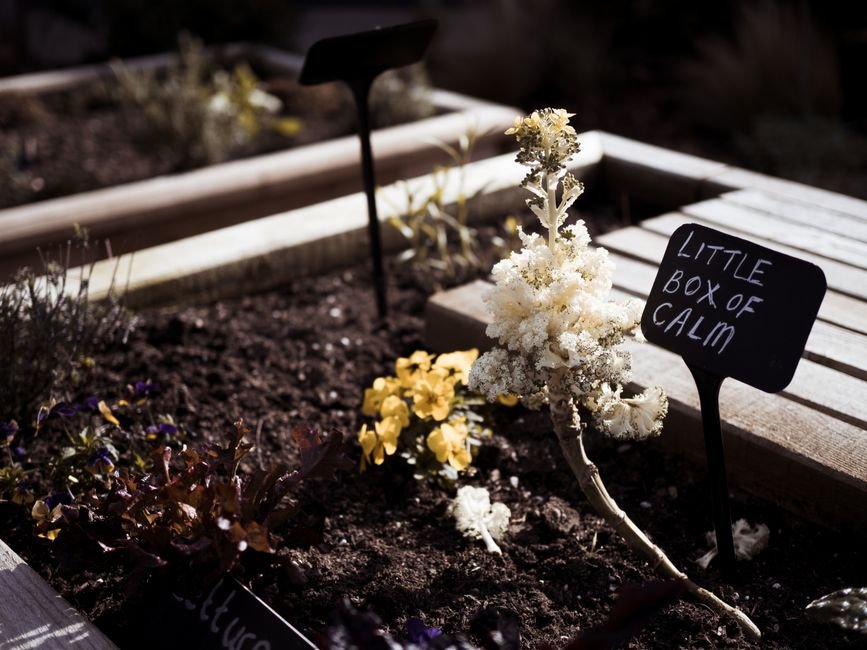
The fourth raised bed sat empty in the corner of the yard for most of February, just four cedar boards nailed into a rectangle with nothing inside it. I kept walking past it with a mug of coffee, telling myself I’d fill it properly instead of just dumping bagged soil in and calling it done. I’d read enough about the layered fill method, logs and branches at the bottom, to want to try it on this one bed before I committed to it everywhere. Part of the appeal was practical and part of it was just curiosity about whether the method actually did what people claimed.
Why I tried the layered method on this bed only
Our other three beds are filled the plain way: soil, compost, more soil. They work fine. But the fourth bed is deeper than the others, almost knee height, and filling that much depth with bought soil felt wasteful and expensive. The idea behind the layered method is simple enough. You put woody material at the bottom, branches, small logs, chunks of an old fence post Theo had been meaning to get rid of, and let that material slowly break down and hold moisture while the good soil on top does the actual work of growing things. It also meant I could clear out a fair bit of the wood pile at the same time, which felt like solving two problems with one Saturday.
What went into the bottom of the bed
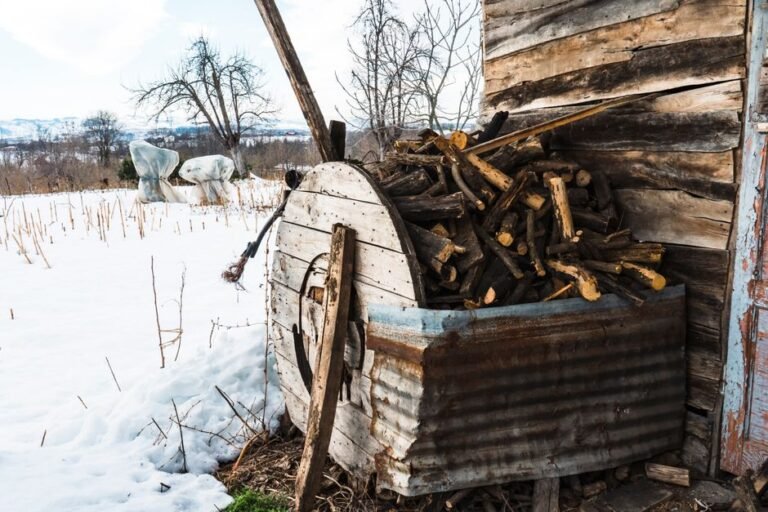
I raided the wood pile behind the shed for anything that wasn’t treated lumber. A few split logs from a tree that came down two winters ago, a tangle of pruned branches, and a layer of smaller twigs and leaves to fill the gaps. I packed it in tighter than I probably needed to, worried that loose gaps would just collapse later anyway. Looking back, I think I overpacked that bottom layer, which caused its own problem I’ll get to in a minute. At the time it felt like I was doing the careful, thorough version of the job, layering everything by hand instead of just tossing the wood in and hoping for the best.
Building the soil layers on top
On top of the wood I added a layer of half finished compost from the bin, then a layer of yard soil dug from a spot near the back fence where I knew I wasn’t going to plant anything else, then a final layer of bagged soil for the top few inches. I didn’t measure any of this precisely. I just kept adding material until the bed looked full and pressed it down with my hands a few times along the way. The whole process took most of an afternoon, longer than filling any of our other beds, mostly because of all the extra steps involved in sorting and placing the wood first.
What the bed looked like months later
By the time I checked back in properly, the level had dropped more than I expected, close to four inches down from where I’d originally filled it. Some of that is normal. Any new bed settles as the material compacts and the air pockets close up. But this bed dropped more unevenly than the other three, with a noticeable dip on one side where I now think the wood underneath wasn’t packed as solid as the rest. Standing at the edge of the bed, I could see the difference in level just by eye, without needing to measure anything, which told me the drop wasn’t subtle.
Where I got it wrong
I assumed that because I’d packed the bottom layer tightly, the settling would be uniform across the bed. It wasn’t. The corner where I’d shoved in that old fence post ended up sinking the most, probably because that particular piece of wood was already partly rotted and broke down faster than the fresher branches next to it. I had to go back in with a bucket of soil and top up that corner by hand, which is exactly the kind of extra step I’d hoped to avoid by doing the layered method carefully in the first place. It was a small, almost embarrassing reminder that being careful in one part of a job doesn’t guarantee the whole thing turns out even.
How it compared to what I’d read about the method
Most of what I’d come across before starting made the layered method sound almost foolproof, as if any pile of wood under soil would behave the same way. My experience with just this one bed makes me doubt that a little. The condition of the wood going in, how dry it was, how far along it already was in breaking down, seemed to matter more than anything else for how evenly the bed settled later. Fresh, solid branches held their shape much longer than the older, softer pieces I’d tossed in without thinking twice about the difference.
Whether it was worth doing
Even with the uneven settling, I think the layered fill was worth it for that one deep bed. It used up wood I would have otherwise had to haul away, and the plants in that bed didn’t seem to mind the mixed foundation underneath them. What I’d change next time is spending more time leveling the wood layer before I ever put soil on it, checking it with my hand across the whole surface instead of eyeballing it from standing height. It’s a small thing, but it would have saved me that awkward bucket top up later in the season.
I still think about that fourth bed every time I walk past it with my coffee in the morning, mostly because the dip in that one corner is still faintly visible if you know where to look. It’s not a disaster, just a reminder that a method working in general doesn’t mean I did every part of it well.