What Actually Breaks Down in My Pallet Wood Compost Bin
I pulled two whole avocado pits and what used to be a corn cob out of the compost bin last weekend, both looking almost exactly like they did when I threw them in there back in winter. I stood there with the pitchfork in one hand and my coffee cooling on the fence post, wondering why I bother calling this a compost bin instead of just a pile of stuff that refuses to become dirt. It’s not the first time I’ve had that thought, and it probably won’t be the last.
How the bin got built
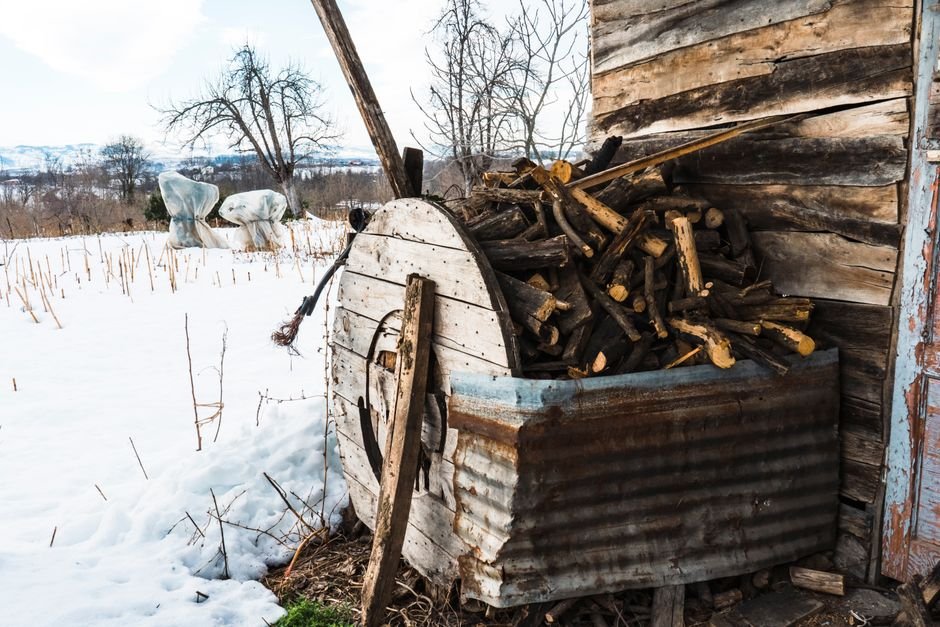
Theo and I built the bin two summers ago out of four wooden pallets we got for free from behind a hardware store, wired together at the corners into a rough square with one side that swings open like a gate. It’s not pretty. The slats have gaps big enough to lose a garden trowel through, but it does the basic job of holding a pile of scraps and yard waste together instead of letting it spread across the whole side yard. We picked pallets mostly because they were free and already the right rough shape, not because we’d researched better options.
What I actually do with it
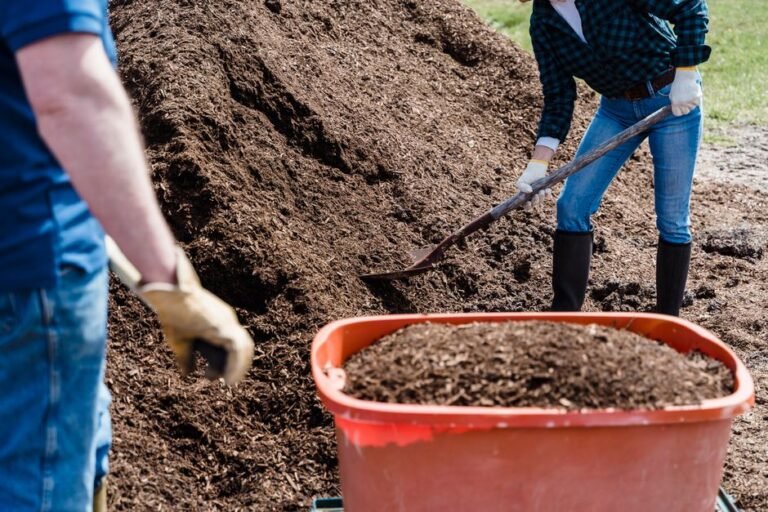
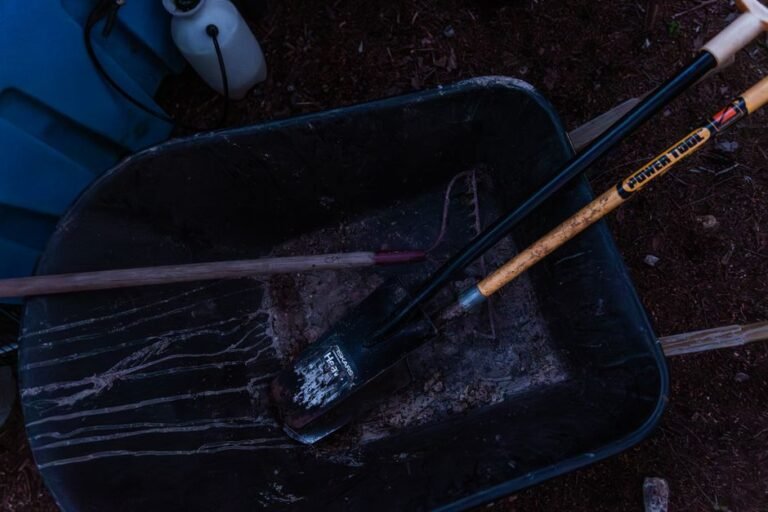
I’ll be honest about how often I turn it, because I think a lot of what gets written about composting assumes a level of consistency I don’t have. I turn the pile maybe once every three or four weeks, sometimes longer if the weather is bad or I just forget. I don’t have a rotating drum or a fancy setup, just the same old spade I’ve had for years, and I go in from the open side and try to move the bottom material up to the top. Some weeks I do a proper job of it, working all the way around the pile. Other weeks I poke at the top layer for five minutes and call it done. I used to feel a bit guilty about the inconsistency, as if there was some correct schedule I was failing to keep, but the bin has kept producing usable compost either way, just more slowly on the weeks I skimp on it.
What actually breaks down
Coffee grounds and used paper filters disappear fast, within a couple of weeks they’re unrecognizable. Grass clippings and dead leaves go quickly too, especially if I’ve shredded the leaves a bit with the mower first. Vegetable peels from the kitchen, carrot tops, onion skins, lettuce that went soft in the fridge, all of that breaks down at a pace that feels satisfying, like the pile is actually doing something. Even eggshells, which I expected to linger, seem to soften and disappear into the mix faster than I would have guessed.
What just sits there
Then there’s the stuff that seems to sit at nearly the same size for months. Avocado pits are the worst offender in my bin, they’re dense and don’t seem to break down at any noticeable rate no matter how many times I bury them deeper. Corn cobs are close behind. Thick branches or woody stems from spent tomato plants also linger far longer than I expect, even when I’ve broken them into smaller pieces first. I’ve started keeping a rough mental list of what I just shouldn’t bother adding anymore, since some of it clearly isn’t going anywhere on any timeline I care about.
How the seasons change what I see in there
The bin behaves differently depending on the time of year, which took me longer to notice than it probably should have. In the warmer months, everything seems to move faster, scraps soften and darken within a couple of weeks, and turning the pile releases that warm, earthy smell that tells me something is actually happening inside it. Once the weather turns cold, the whole process slows down enough that I sometimes go a full month without seeing much visible change at all, even when I do remember to turn it on schedule.
Where I misjudged the whole thing
When we first built the bin, I assumed that if I just kept adding kitchen scraps and yard waste, it would all turn into usable compost at roughly the same rate, and I could scoop finished compost out the bottom whenever I needed it. That’s not how it’s gone. The bottom of the pile does have decent, crumbly material in it, but mixed through it are chunks of half broken down stuff that I have to pick out or just leave in place when I use the compost, because I never got in the habit of sifting it properly. I think I pictured the whole bin working like a single, uniform process, when really it’s a lot of separate little processes happening at different speeds in the same box.
What I’d tell someone starting a pallet bin
If I were building this bin again, I’d probably make the gaps between slats smaller, or line the inside with something to hold smaller material in better, since a fair amount of the lighter stuff just falls straight through onto the ground below. I’d also stop assuming that turning it occasionally is the same as turning it properly. The parts of the pile I actually mix well break down noticeably faster than the corners I always seem to skip, and I only really admitted that to myself after digging out those avocado pits again. It’s a rough, unglamorous setup, but it still beats not composting at all, even with the pits I’ll probably be finding again next winter.