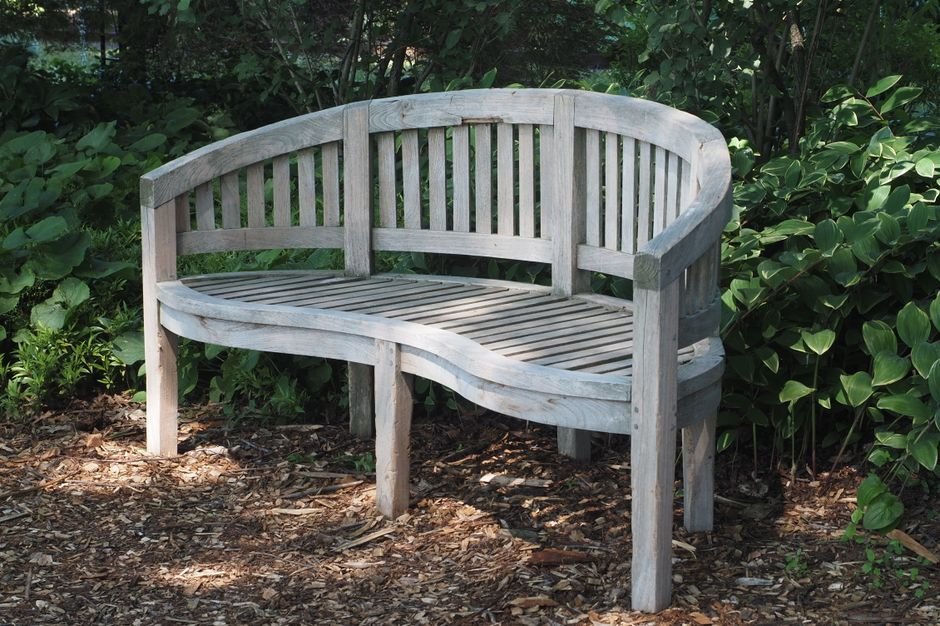
The Bench Ledge I Built and Then Regretted
The idea for the bench ledge came to me on an afternoon in late March when I was crouched next to the oldest raised bed pulling weeds and my knees were complaining loudly enough that I gave up and sat down on an overturned paint can just to keep going. Sitting there, pulling weeds at a slightly better angle, I thought: what if there was just a ledge built onto the side of the bed itself, something to perch on while I worked. It seemed like an obvious upgrade. I wish I could tell you it turned out that way.
The Idea Seemed Reasonable
I pictured myself perched there in the mornings with coffee, or resting for a minute mid weeding instead of standing back up every few minutes like I usually do. It felt like exactly the kind of small, useful addition that would make the whole raised bed setup better. So the following Saturday I pulled some leftover boards from the fourth bed project and set about attaching a simple ledge along one long side of the second oldest bed, low enough to sit on comfortably, wide enough for one person.
Putting It Together
The build itself was straightforward, more straightforward than almost anything else I’ve built out there, which in hindsight should have been my first clue that I wasn’t thinking hard enough about whether it made sense. I attached a couple of support brackets made from scrap to the outside of the bed frame, then screwed a board across the top of them at a height that let my feet reach the ground when I sat. It took less than two hours including cleanup. I stood back afterward feeling pretty pleased with myself.
The First Week
For the first few days I did use it, or at least I made a point of using it, sitting there for a minute with coffee before starting the day’s weeding. But even then I noticed something was off. Sitting on the ledge put me at an angle where I had to twist my whole upper body to actually reach into the bed, which defeated the entire purpose. It turned out that standing and bending, or crouching the way I always had, actually gave me better reach than sitting on a fixed ledge a foot and a half off the ground.
It Got in the Way
Beyond the reach problem, the ledge started causing a more basic issue. It stuck out about a foot from the side of the bed, and that foot of space was exactly where I used to set down my tools, my gloves, a bucket of pulled weeds. Now all of that had nowhere obvious to go except balanced on the ledge itself, which meant I was constantly moving things off it before I could sit down, or knocking things off it while I worked. A structure I’d built specifically to make the space easier to use was making it more cluttered instead.
The Wood Started Going First
By early summer I noticed the ledge boards were showing rot faster than the bed frame underneath them, even though they were cut from the same batch of lumber. I think it came down to how they were positioned, sitting mostly flat instead of upright like the frame boards, so rain pooled on the surface instead of running off. Water sat there after every storm, and by the time I really looked closely at it, the underside had gone soft in a couple of spots. A ledge I’d built to make the bed nicer to use was quietly rotting away faster than the thing it was attached to.
The Splinter That Sealed It
The moment that really settled things for me came in late June, when I sat down on the ledge without really looking, still holding a trowel in one hand, and caught a splinter along the back of my leg from a spot where the wood had already started to roughen up from the weather. It wasn’t serious, just annoying, the kind of thing that takes a few minutes with a pair of tweezers to sort out. But it was the moment I stopped making excuses for the thing and admitted that a structure I had to be careful sitting on wasn’t doing its one job.
Why I’m Calling This One a Failure
I want to be direct about this instead of pretending it was a wash. The bench ledge was not worth building. Nobody actually sat there with any regularity, myself included after the first week. It got in the way of reaching the bed for weeding and harvesting, which is the entire point of the space. And it rotted faster than the bed itself, which means at some point I’ll have to take it back off anyway, undoing the work rather than building on it. If I had it to do over again, I’d have spent that Saturday afternoon on almost anything else, or just kept using the overturned paint can, which honestly worked better and didn’t cost me a single board.
What I’d Tell Someone Else
If you’re thinking about adding something similar to your own beds, my honest advice is to actually sit and use the space you’re imagining before you build anything permanent. A folding stool or an old bucket will tell you more about whether you’ll really use a seat there than any amount of planning will. I skipped that step because the idea felt obvious, and obvious ideas are sometimes the ones most worth testing first.