The Bed That Dried Out Every Two Days
I went out one Tuesday afternoon in April to check on the second bed, the one along the side path, and everything in it looked like it had not been watered in a week, even though I had soaked it Sunday night. The soil surface was pale and crumbly, pulling away from the edges of the boards slightly, and when I pushed a finger in past the first inch it was still dry underneath. That bed had never done this before. It used to hold moisture for days, and it was the one bed out of the four I almost never had to think about between waterings.
The thing I had changed without thinking
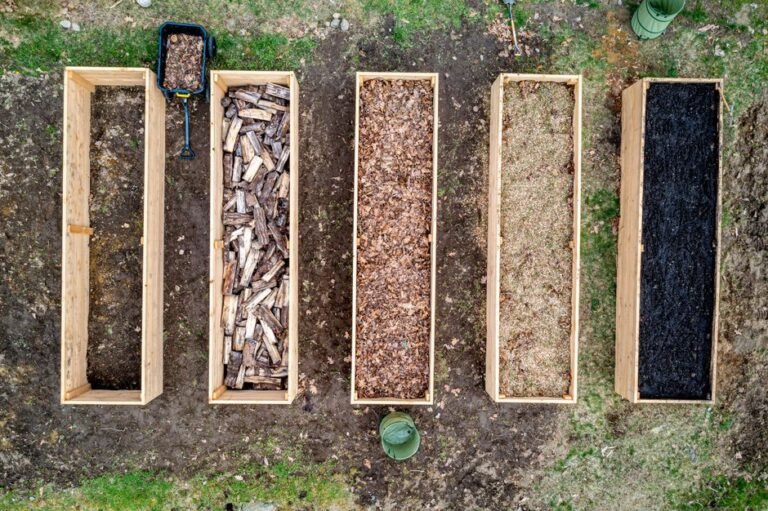
A few weeks earlier I had redone the bottom layer of that bed. The liner along the base had worn through in a couple spots, so instead of patching the old landscape fabric I had pulled it all out and swapped it for a coarser weed barrier I had left over from another project, figuring cloth is cloth. I had also added a thicker layer of coarse material at the bottom, mostly broken up bits of bark and some leftover gravel from an old path project, thinking it would help drainage the way people always say a base layer should. What I did not think about was that I was changing two things about how water moved through that bed at the same time, and doing it without testing either change on its own first.
My first guess: not enough water
My first assumption was simply that I had not watered enough, so for about a week I watered that bed more often, sometimes twice a day when it was warm. It helped for maybe an hour each time. By evening the top layer was already looking dusty again. I even considered that the plants themselves were just using more water than usual for the season, which in hindsight was a stretch, but I was looking for any explanation that did not involve redoing work I had just finished. I was pouring more water into the bed and getting less benefit out of each pour, which should have told me something was wrong with how the water was leaving, not how much I was putting in.
Actually watching where the water went
What finally made it click was crouching down at the corner of the bed after a heavy watering and watching water come out from under the bottom board almost immediately, in a thin steady trickle, well before I would have expected the soil above it to be saturated. The new weed barrier I had used was a much looser weave than the old one, and combined with that coarse bark and gravel layer underneath, water was moving straight through the bottom of the bed almost as fast as I could add it, instead of soaking into the soil above first the way it used to with the old dense liner and a plain soil base. Once I actually watched it happen instead of guessing from the surface, the whole thing made sense within about two minutes.
Undoing my own fix
I ended up pulling the top few inches of soil back, digging down to that coarse base layer, and taking most of the bark and gravel back out. I left a thin layer, just enough to keep the bottom board from sitting directly in wet soil, but nowhere near as thick as what I had put in. Underneath, I swapped the loose weed barrier for a denser one, closer in weight to what had been there originally, since the whole point of that layer is to slow water down slightly on its way out, not to invite it through. It felt a little discouraging pulling apart work I had done only a month earlier, but it was clearly the right call once I saw how much better the bed held water afterward.
Getting the mix back to holding water properly
I also worked a good amount of compost into the top layer of soil, since the dry spells had broken down some of the organic matter that normally helps soil hold onto moisture between waterings. It took a couple of weeks of regular watering before the bed started acting the way it used to, holding moisture for a couple of days instead of drying out within hours. I watered it the same way I water the other three beds now, no extra attention, and it keeps pace with them fine. By early May I had genuinely forgotten it had ever been a problem, which is usually how I know a fix has actually stuck.
What I check before changing anything at the base
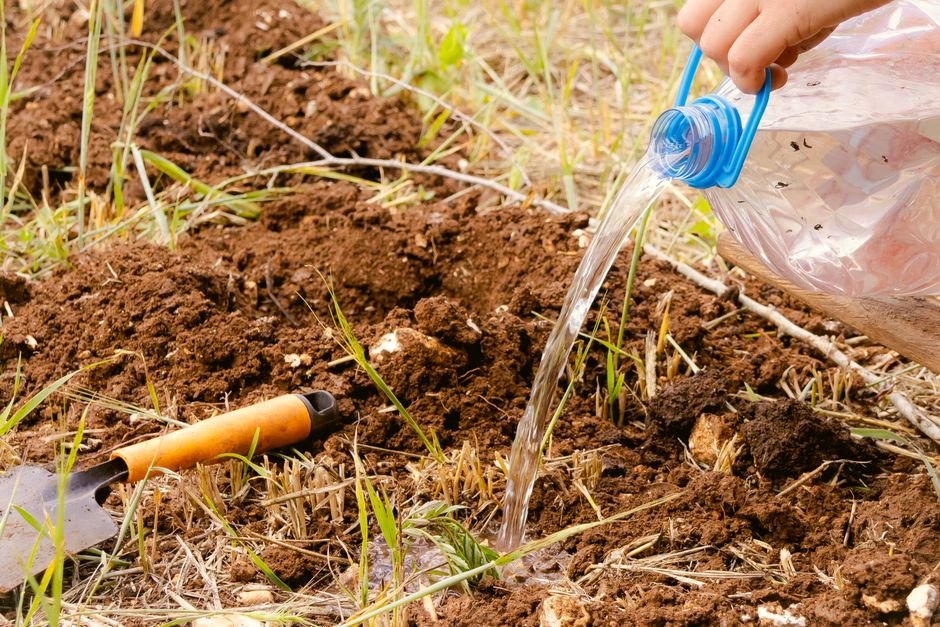
Now when I am tempted to swap a liner or add a drainage layer to any of the beds, I think about it as one system rather than a single fix. Loosening drainage at the bottom does nothing good if the soil on top cannot hold water long enough to be useful to anything growing in it. I test any new liner material by pouring a bucket of water over a scrap piece before I commit it to a whole bed, just to get a feel for how fast it actually lets water through, since a coarse or loose weave that seems fine sitting in my hands behaves very differently once it is holding soil. It is a five minute test that would have saved me a couple weeks of confused overwatering.